
If your facility is still running on fluorescent, metal halide, or high-pressure sodium lighting, an LED retrofit is one of the more straightforward upgrades you can make. Rather than replacing your fixtures entirely, the facility lighting upgrade works around what’s already installed, swapping out the internal components while everything else stays in place. Industrial lighting retrofits can significantly enhance workplace visibility and employee safety.
For commercial and industrial facilities, two things tend to stand out after making the switch:
- Cost Savings & Energy Efficiency: Electricity costs tied to lighting drop substantially, and the ongoing expense of lamp replacements and maintenance calls comes down with them.
- Sustainability & Compliance: Lower energy use means a smaller carbon footprint, and staying on the right side of environmental regulations and building codes gets a lot easier.
How LED Retrofits Work
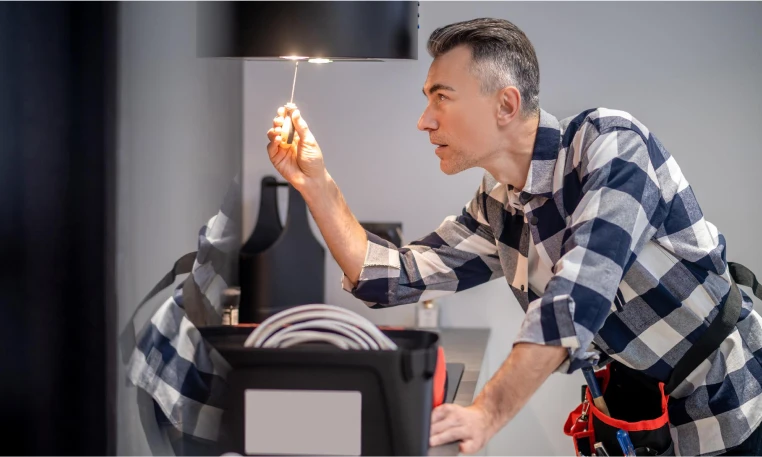
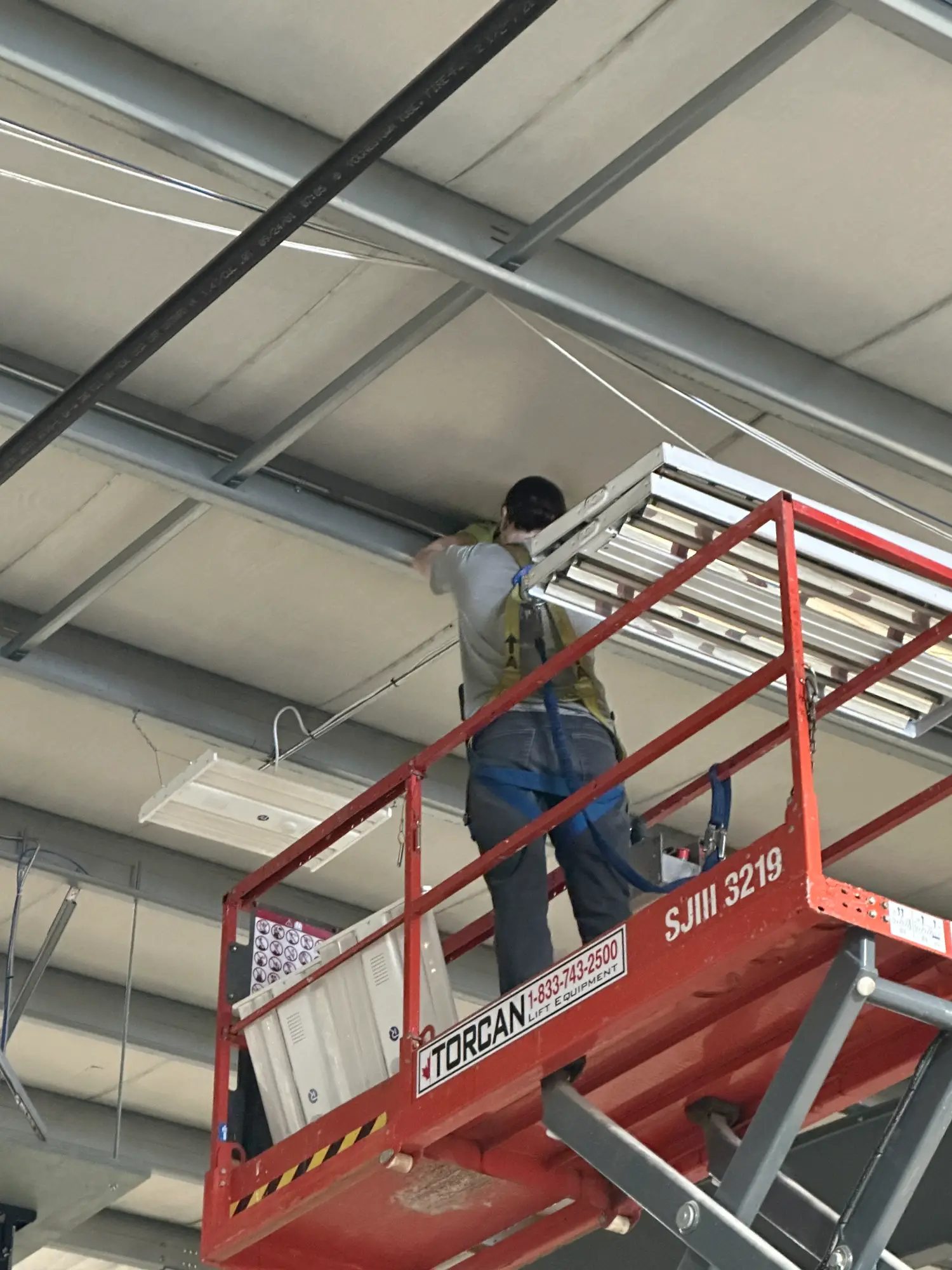
Upgrading your lighting doesn’t mean starting from scratch. In a commercial LED retrofit, outdated components, worn ballasts and old lamps are removed and replaced with LED kits designed to fit directly inside your existing housings. The fixture shell stays right where it is. This LED conversion service keeps installation time short and lets your facility stay operational throughout, without the downtime that comes with a more involved overhaul.
Retrofit vs. Full Replacement
At some point, most facility managers weigh a targeted retrofit against a full fixture replacement. Both get you to LED, the difference comes down to cost, time, and what kind of lighting system upgrade your building can accommodate. Here is how they compare:
- Cost: Retrofitting is considerably more affordable upfront. Since the existing housing is reused, hardware costs stay low, and your return on investment comes sooner.
- Time: LED retrofit kits can be installed relatively quickly. A full replacement brings rewiring, old fixture removal, and longer labour hours into the mix, none of which apply to a retrofit.
- Structure: Your building stays the way it is. No ceiling repairs, grid adjustments, or modifications to fit a different fixture footprint.
Benefits of LED Lighting Retrofits
Energy Savings That Reflect on Your Bills Immediately
Commercial and industrial buildings typically see a 50% to 75% reduction in lighting-related electricity use after switching to LEDs. For a 100,000-square-foot facility running around the clock, that often translates to more than $50,000 saved annually from lighting alone. That kind of lighting energy savings makes the return on investment straightforward to justify.
Significantly Lower Maintenance Demands
Legacy lighting systems fail regularly, which means ongoing costs for replacement parts and, in high-ceiling facilities, equipment rentals just to access the fixtures. LED systems rated up to 100,000 hours, roughly five times the lifespan of older technology, eliminate most of that routine. Lighting maintenance cost reduction is one of the primary benefits of modern LED technology.
Noticeably Better Light Quality
LEDs produce cleaner, more consistent illumination than most legacy systems. Flickering disappears, uneven coverage improves, and dark spots in work areas fill in. In industrial settings, that improvement in visibility has a direct impact on error rates, safety, and overall working conditions. Faster payback periods and reduced utility bills contribute to a higher lighting ROI.
Environmental and Financial Benefits, Together
Meeting ESG targets and cutting costs don't have to be separate conversations. Most commercial LED retrofit projects qualify for utility rebates and government incentives that can cover 20% to 50% of total project costs. We handle the entire application process, so you capture those savings without the administrative burden.
Why Choose Lumen Solutions for Lighting Retrofits?
Our mission is to help businesses transition to better lighting systems that deliver real performance improvements and long-term energy savings.
Industry Expertise
We've been in lighting wholesale and retrofits for over six years. Every project that comes through, regardless of size or how involved the scope gets, is managed by licensed electricians and energy-certified professionals. With hundreds of commercial and industrial jobs completed, Our licensed electricians have developed a solid understanding of how to move through complex deployments without creating headaches for the facility teams we're working alongside.
Results You Can Actually Point To
Our clients have seen up to a 90% reduction in lighting costs. Pollard Windows & Doors saved $263,996 in a single year. A church on the Queensway recovered $14,142 in government incentives. These are real projects, and a fair reflection of what a well-executed retrofit delivers.
Products and Practices You Can Trust
Every fixture we supply is UL & ETL listed, RoHS compliant, and meets Canadian electrical and safety standards. Our energy-certified professionals carry full insurance on every project, and our safety record across all completed work reflects how seriously we take the responsibility of working inside an active facility.
We Handle the Details, Start to Finish
From the initial site assessment through to securing your IESO and government rebates, we manage the process end-to-end. The paperwork, the scheduling, and the compliance requirements are on us, so you can stay focused on running your business. We carry insurance and compliance certifications for operating in highly regulated industries.
Schedule Your Free Retrofit Consultation!
Our LED Lighting Retrofit Process
Lighting Audit & Energy Assessment
Before anything else, we come to your facility and take a proper look. We also put together a clear lighting ROI picture: what you're likely to save, how long before the project pays for itself. That on-the-ground information is what shapes everything that comes after. You'll have a solid understanding of the investment before a single fixture is touched.
Custom Retrofit Design
Once we have the audit data, our LED conversion service designs a solution around your space specifically. Photometric planning ensures light reaches where it needs to, at the right levels. We also put together a clear financial picture: what you're likely to save, how long before the project pays for itself, and what the numbers look like further down the line.
Professional Installation
Our licensed electricians handle everything on the installation side. We figure out a schedule that works around your operations in evenings, weekends, or a phased approach across different parts of the facility. The work gets done properly, without pulling your team off course.
Rebate & Incentive Management
A lot of projects qualify for lighting rebate programs and government utility incentives, but pulling together the applications isn't always simple. We identify every program your project is eligible for, handle the pre-approvals, and take care of the documentation right through to final submission. It's one less thing on your plate.
Ongoing Support & Warranty
Our commitment to a project doesn't stop at installation. The products we supply and the work we do are covered by solid warranties, and we stay reachable for whatever comes up afterward, whether that's a quick maintenance question or something that needs a closer look. We install systems built to last, and we take responsibility for them accordingly.
FAQ
The percentage genuinely depends on what you're currently running. Most facilities land somewhere between 50% and 80% less on their lighting energy costs after switching to LED. But that's just the electricity; once you factor in how rarely LEDs need maintenance and the reduced strain on your HVAC system, the real savings tend to be higher than people initially expect. Most businesses get their money back within 18 to 36 months, and it builds from there.
It depends. A smaller retail space might be wrapped up in a couple of days. A large warehouse with hundreds of fixtures spread across a high ceiling is a different story, and that could run several weeks, done in stages. What we do before any of that starts is put together a proper project schedule, so you're not left guessing about timelines or planning around uncertainty.
In most situations, yes. Retrofitting costs less, disrupts your building less, and gets the job done faster. A full replacement starts to make more sense when the existing fixtures are too damaged or just aren't compatible with modern retrofit components. In those cases, pushing through a retrofit isn't worth it. We'll take a look at what's actually there and give you a straight answer either way.
Most do, and it's worth paying attention to. Power utilities want businesses to draw less from the grid, so they actively offer rebates for certified LED upgrades. Government incentive programs layer on top of that in many cases. Together, they can cover 30% to 50% of what your project costs. We track down everything your project qualifies for and handle the paperwork front to back.
Quality commercial LED components are rated for anywhere between 50,000 and 100,000+ hours of use. If your facility runs 12 hours a day, you're looking at somewhere between 11 and 22 years before replacements become a real conversation. Compared to fluorescent or metal halide systems that burn out regularly and need constant attention, the difference in maintenance alone is significant.
Yes, that's pretty standard for us. Shutting down a facility to change lighting isn't realistic for most businesses, and it doesn't need to be. We schedule around your hours, whether that's nights, weekends, or working through one section of the building at a time. By the time your team arrives in the morning, progress has been made, and nothing's been left in disarray.
Generally speaking, the bigger the space and the older the lighting, the more noticeable the difference. Warehouses, manufacturing plants, distribution centers, parking garages, and larger retail or office buildings tend to get the strongest returns. These are usually the facilities still relying on metal halide or fluorescent systems that use high energy draw, frequent burnouts, and fixtures that aren't easy to access. That combination is exactly where LED retrofits make the most impact.