


Control Signals
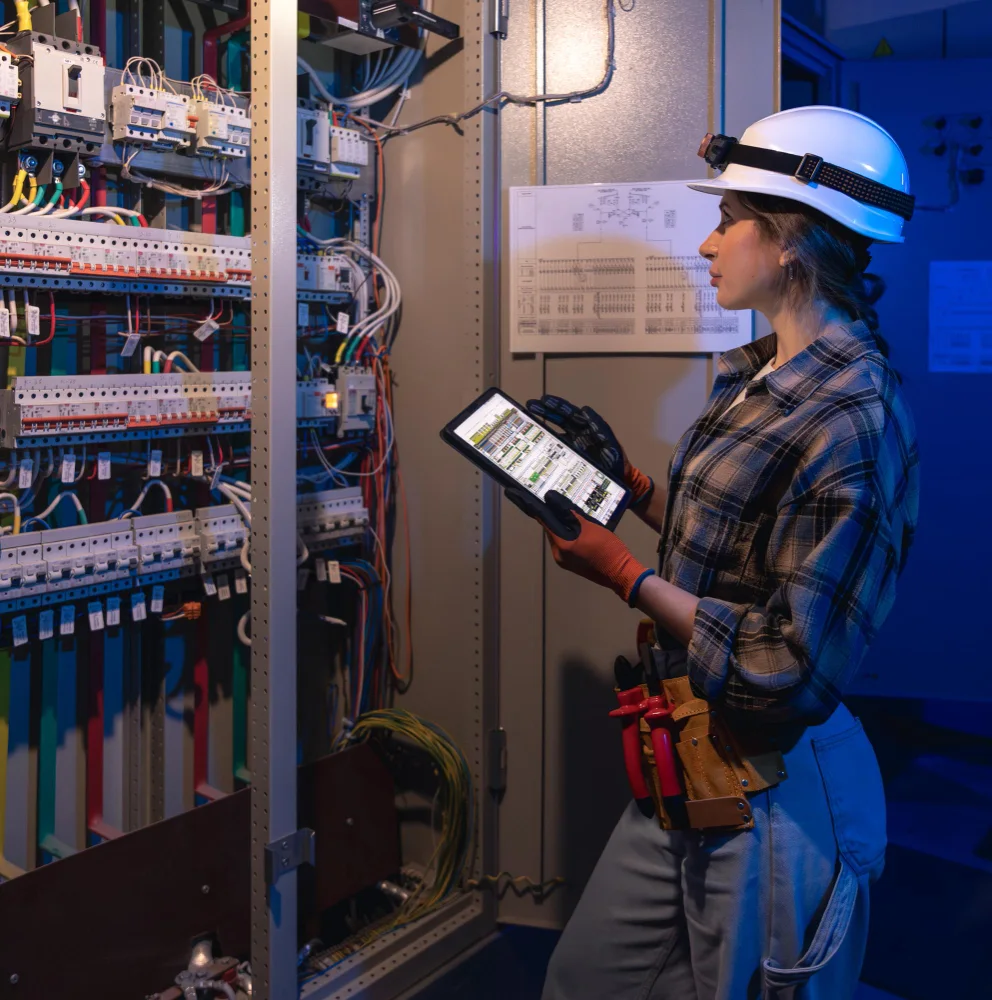
Based on occupancy detection levels, controllers transmit low-voltage signals directly to lighting fixtures and drivers. Further, they drive the changes in output levels.

Dimming Protocols
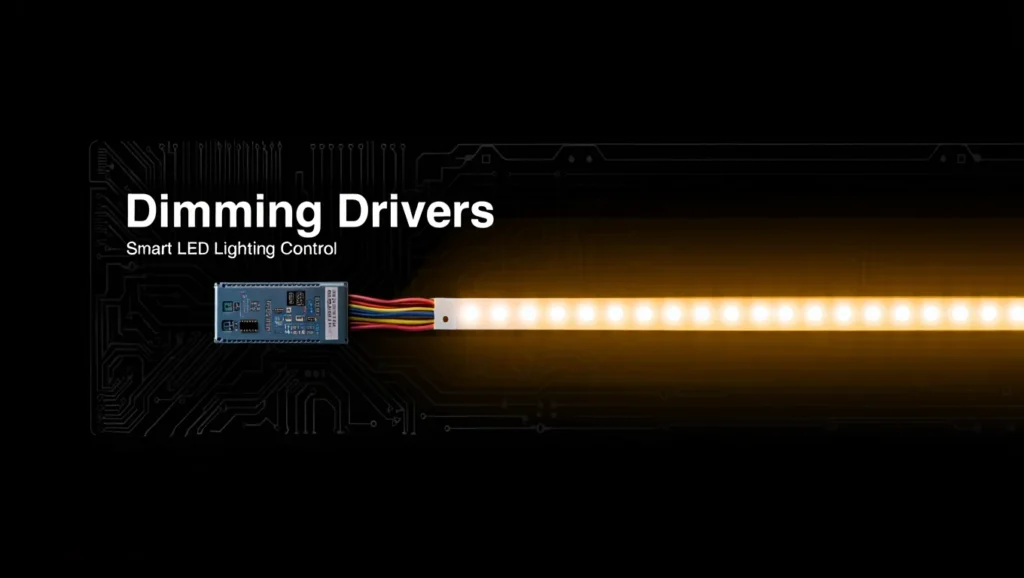
Our team works diligently with digital lighting control protocols such as 0–10V, DALI, or wireless mesh networks. This helps to adjust gradual illumination levels to support task requirements.

Scheduling
Our programmable lighting systems adhere to operating lighting schedules. This approach aids in reducing unnecessary runtime during peak working hours.

Sensor-Triggered Automation
We install occupancy sensors and daylight harvest technologies to automatically regulate lighting outcomes. This helps in energy saving, offering ambient light in response to movement and motion.

PIR Sensors
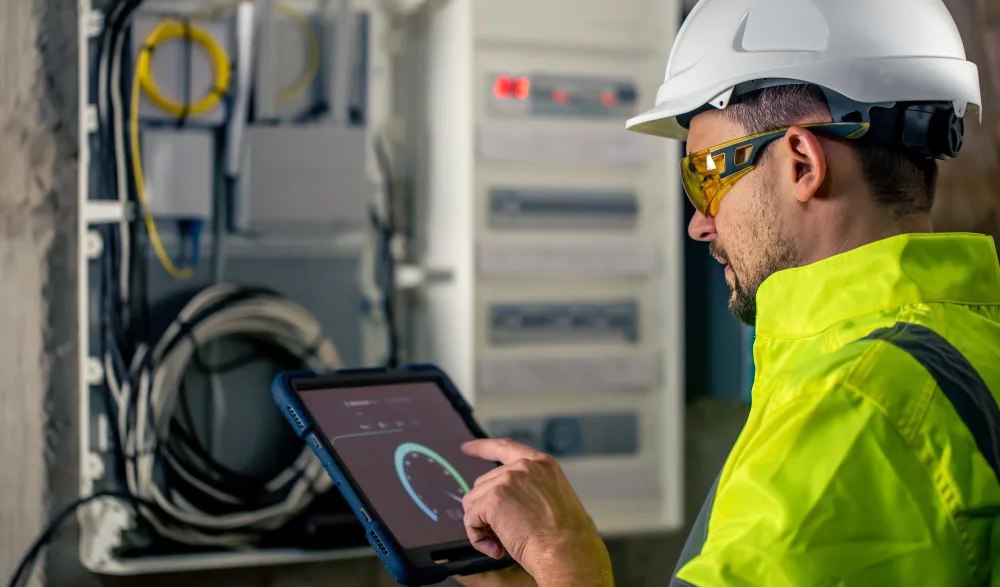
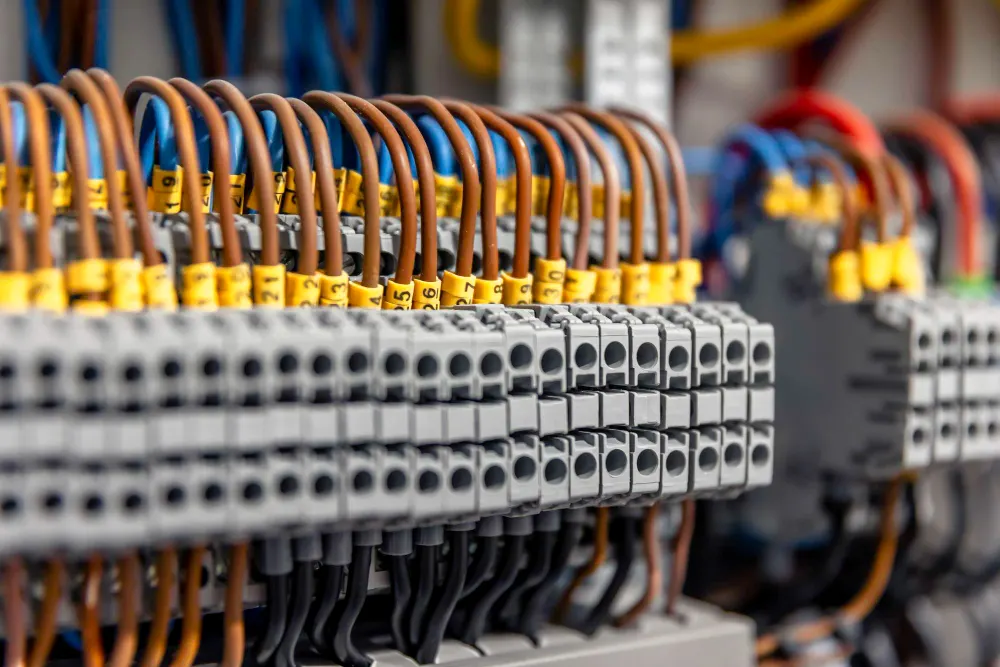
From occupants to activate or deactivate lighting in enclosed areas. Our PIR-based LED motion sensor light system is designed to detect infrared light signatures in areas like private offices, corridors, or storage zones.

Microwave Sensors
The microwave motion sensors are installed to utilize high-frequency electromagnetic signals. This integration helps detect movement across large open areas and around obstacles in warehouses or production floors.

Occupancy Mode
Our team installs and deploys occupancy sensor lighting systems that alert the fixtures upon detection. That disables lighting after defined non-usage intervals and contributes to energy savings in real time.
Vacancy Mode
We program vacancy-based control modes through manual activation. This helps in disabling lighting when motion is no longer registered. This mode makes effective use of light in intermittently occupied areas.


Energy Efficiency and Utility Savings
Intelligent lighting control systems allow measurable energy savings. Automatic and adaptive illumination contribute to these savings by 30-80%. We recommend integrations of motion sensors, daylight harvesting and programmable schedules for increased savings, further shaped by usage patterns.
Apart from saving benefits, these intelligent control systems support broader sustainability initiatives. Organizations actively leverage reduced power draw to gain equivalent green building certifications. The lower operational energy requirements perfectly align with corporate environmental, social, and governance (ESG) objectives.

Enhanced Safety and Security
A well-lit working environment caters to meeting safety standards in commercial, industrial, and public spaces. Lumen’s intelligent lighting systems offer reliable illumination without relying on manual intervention. Motion detection capabilities help with required lighting coverage with improved visible clarity.
These systems contribute to building security that is critical for deterring unauthorized access and maintaining strategic lighting in critical areas. Our integrated lighting controls offer reliable security management in coordination with alarm and access-control systems.
Increased Equipment Lifespan
Our modern lighting control systems reduce frequent maintenance interventions and modulate lighting output as per dynamic site conditions. This approach minimizes heat generation resulting from overuse. That in turn contributes to the extended fixture lifespan and reduced frequency of replacement works.
The reduced mechanical and thermal stress translates to lower maintenance costs and improved reliability across lighting assets. Facilities benefit from greater operational continuity and a stronger return on investment, as both energy and maintenance expenses decrease over time.

Improved Workplace Productivity
Lighting quality directly influences productivity, comfort and focus. Modern lighting control systems cater to maintaining colour temperature and optimal brightness levels that can be adjusted dynamically. This proves useful for visual comfort and supports large-scale working environments.
Our services offer adaptive brightness with consistent illumination that helps to reduce eye strain. Studies highlight that balanced and adaptive lighting environments help with high-performance levels critical across a varying workforce. For facilities seeking operational savings without compromising on energy efficiency, our intelligent lighting control delivers sustainable long-term returns.
Calculate Your Potential Energy Savings!
7+ years of experience
Our extensive years of specialization in lighting automation since 2019 position us as a strategic partner for industrial and commercial clients. The deployment of reliable, code-compliant lighting control systems has proven to meet evolving performance requirements.

50% Average Energy Savings Delivered
Integration of occupancy sensor, daylight harvesting and smart scheduling benefits clients with 30-80% energy reductions. This equates to an annual savings of $50,000–$250,000+ per mid-sized facility. Further reinforced by routine post-installation compliance checks.
Comprehensive Warranty Coverage
Our services include manufacturer warranties ranging from 5 to 10 years for fixtures and 5 years for controllers and sensors.
Certified Technicians
Our team of installers hold CSA, and ESA certifications. Also, facilitates compliance with NECB and Ontario Building Code guidelines for safe electrical operation and seamless integration with our existing LED Lighting Control Installation Process.
We upgrade your lighting in five careful steps, so your business keeps running smoothly while you start saving money right away. We work directly with top manufacturers to get you the best sensors and smart controls available.
Every installation is carried out following strict protocols. Our licensed electricians ensure code-compliant results meeting CSA and NECB standards. Our partnership with credible manufacturers enhances our capacity for sensors, premium controllers and IOT components.

Site Assessment
We walk through your facility to identify critical points and structural constraints.
Audit & Analysis
Our team calculates your current energy burn rate to map out a precise projection of future savings.
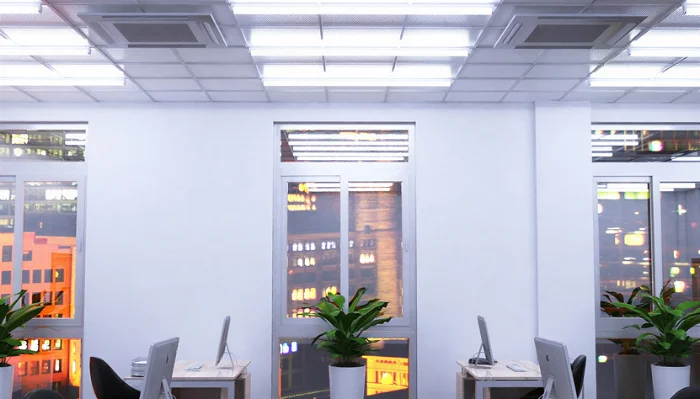
Design Proposal
A customized plan featuring placement maps, fixture selection, and an ROI timeline.
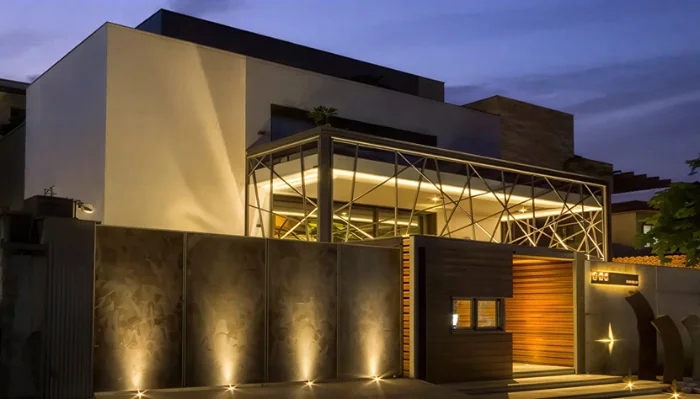
Procurement
Coordination with our supplier network to secure wholesale rates.
Precision Installation
Electricians can work off-hours or in phases to minimize your downtime.

Inspection & Testing
A rigorous checklist to ensure sensors are calibrated and fixtures are secure.
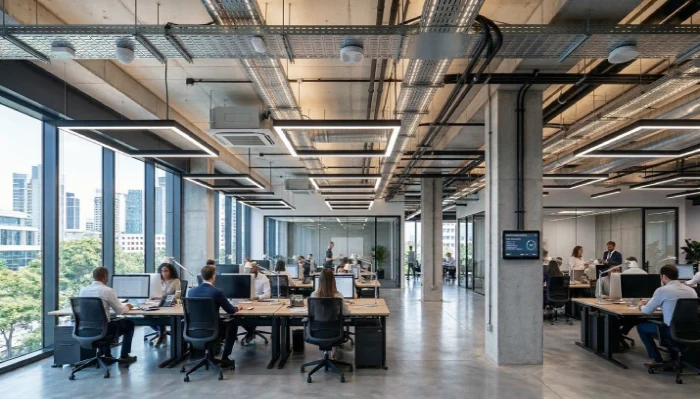
Ongoing Support
We remain your partner long after the initial installation is complete.