
Skip to content

LED Lighting Controls & Sensors

Enhance performance and savings with advanced LED Lighting Controls & Sensors. Lumen Solutions designs and installs intelligent lighting control systems, including occupancy sensors, daylight harvesting, dimming, and integration with building management systems.

Perfect for commercial offices and large industrial facilities, our control solutions can deliver an additional 30-50% energy savings while improving user comfort and operational efficiency.

Maximize Savings with Smart Lighting Controls.

What Are Intelligent Lighting Controls?

Intelligent lighting controls are automated, networked systems that coordinate lighting performance within a facility. These programmable lighting systems adapt to the lighting output as per operational requirements and environmental inputs.

We implement digital light control architecture in favour of commercial and industrial needs. The lighting performance is managed through a centralized control system, ensuring energy use aligns with actual space utilization. Our smart LED automation delivers lighting precision for critical tasks, reducing energy loads and extending fixture lifespan.

Lighting Controllers Work

Lighting controllers serve as the operational core for lighting modules. They function through:

Control Signals

Based on occupancy detection levels, controllers transmit low-voltage signals directly to lighting fixtures and drivers. Further, they drive the changes in output levels.

Dimming Protocols

Our team works diligently with digital lighting control protocols such as 0–10V, DALI, or wireless mesh networks. This helps to adjust gradual illumination levels to support task requirements.

Scheduling

Our programmable lighting systems adhere to operating lighting schedules. This approach aids in reducing unnecessary runtime during peak working hours.

Sensor-Triggered Automation

We install occupancy sensors and daylight harvest technologies to automatically regulate lighting outcomes. This helps in energy saving, offering ambient light in response to movement and motion.
Components of a Lighting Control Modul

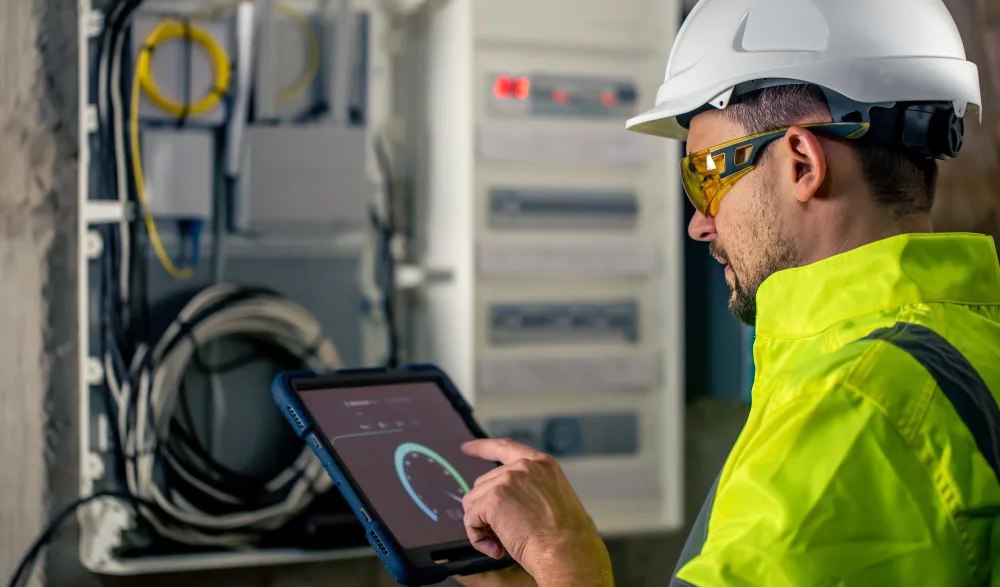
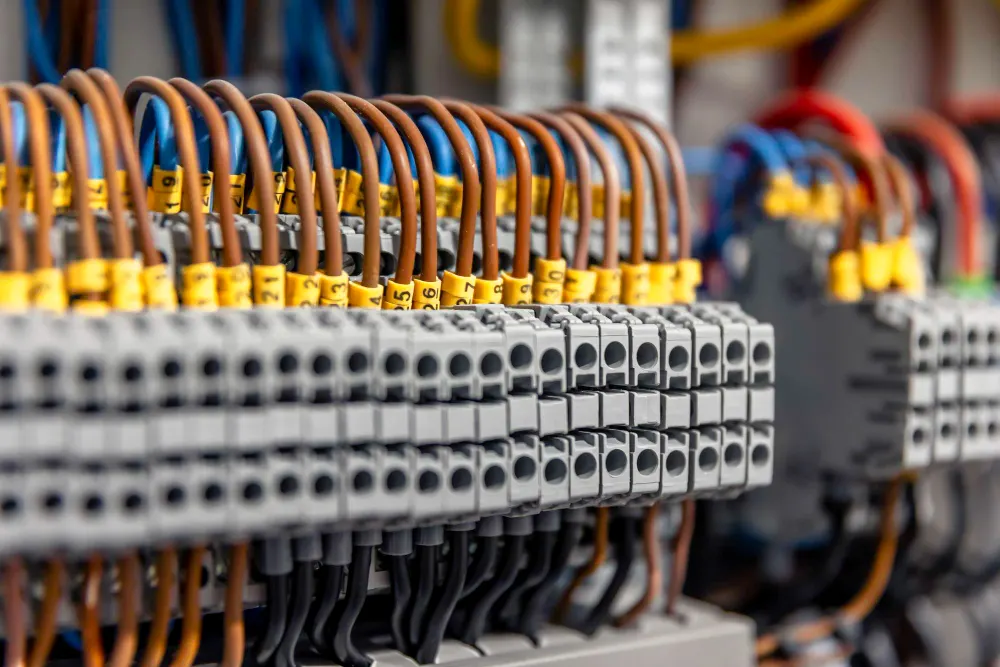
A complete lighting control module typically includes:

Control Panels

We integrate centralized control systems following strategic placement. This aids in monitoring lighting zones across facility-wide networks.

Relay Modules

Our team facilitates relay modules that regulate the functioning of lighting circuits automatically. They control the power flow to lighting systems driven by integrated sensors.

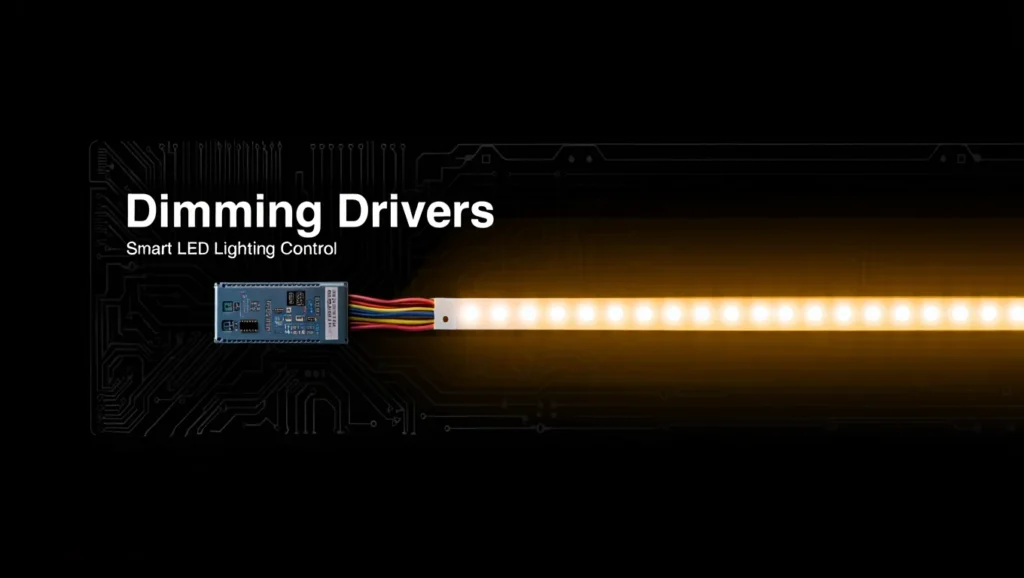
Dimming Drivers

For the regulation of current in LED fixtures, we install dimming drivers that allow for variable light output.

Network Gateways

We connect smart LED automation systems to building management platforms for remote access, reporting, and performance analytics.

Types of LED Lighting Controllers & Sensors

Our LED motion sensor light supports performance-driven environments. From standalone dimming interfaces to fully integrated smart building lighting networks, we help you integrate the right control architecture to optimize energy usage and maintain lighting consistency.

We combine wireless lighting control platforms to ensure the output meets the facility’s lighting expectations, designed to operate with minimal user interaction.

Standalone LED Light Controllers

Manual Dimmers

Our team carries out the installation of manual dimming interfaces that help in adjusting lighting intensity within specific zones. Based on task visibility requirements, these interfaces offer flexibility to dial down energy consumption

Programmable Wall Controllers

We install programmable wall-mounted controllers that assist with predefined lighting scenes. Allows for time-based schedules that are configured for meeting rooms, workspaces and storage areas. This ensures uninterrupted performance through operational hours.

Networked Lighting Controllers

Bluetooth Connected Platforms

Bluetooth wireless control systems enable remote monitoring. That helps the facility to optimize runtime efficiency, modify schedules, and function across multiple working zones.

LED Motion Sensor Lights

PIR Sensors

From occupants to activate or deactivate lighting in enclosed areas. Our PIR-based LED motion sensor light system is designed to detect infrared light signatures in areas like private offices, corridors, or storage zones.

Microwave Sensors

The microwave motion sensors are installed to utilize high-frequency electromagnetic signals. This integration helps detect movement across large open areas and around obstacles in warehouses or production floors.

Occupancy Mode

Our team installs and deploys occupancy sensor lighting systems that alert the fixtures upon detection. That disables lighting after defined non-usage intervals and contributes to energy savings in real time.

Vacancy Mode

We program vacancy-based control modes through manual activation. This helps in disabling lighting when motion is no longer registered. This mode makes effective use of light in intermittently occupied areas.
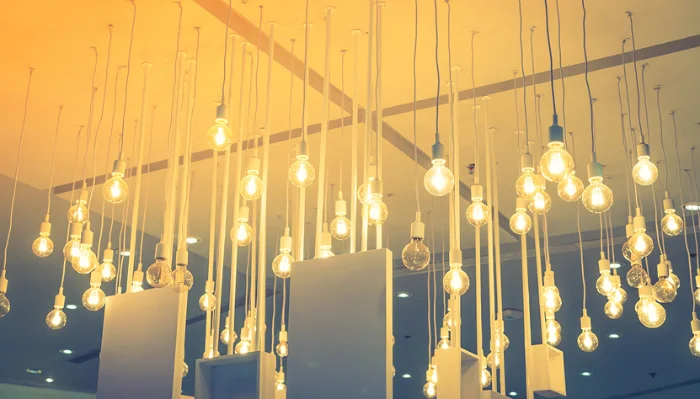

Daylight & Ambient Light Sensors

Our team installs daylight harvesting sensors that lower artificial lighting when there’s enough natural light. They detect indoor light levels and adjust brightness automatically.
For consistent lighting, we place ambient sensors in key work areas to adjust brightness in real-time automated dimming.

Based on fluctuations in ambient light availability throughout the day,
We optimize lighting performance near windows and loading bays.

Controller & Sensor Comparison

System Type Primary Function Application Area Automation Capability
Standalone LED Controllers Localized light level adjustment Offices, meeting rooms Manual / Scheduled
Networked Lighting Controllers Centralized zone management Warehouses, production floors Remote / App-Based
LED Motion Sensor Lights Occupancy-based activation Storage areas, corridors Motion-Triggered
Daylight & Ambient Sensors Natural light compensation Workstations, open floor plans Automated Dimming

Benefits of Intelligent Lighting Control Systems

Upgrading to modern lighting control systems offers operational improvements that influence organizational performance. This shift from reactive illumination management to proactive data-driven control enhances security measures for facilities and supports productivity hours.

Energy Efficiency and Utility Savings

Intelligent lighting control systems allow measurable energy savings. Automatic and adaptive illumination contribute to these savings by 30-80%. We recommend integrations of motion sensors, daylight harvesting and programmable schedules for increased savings, further shaped by usage patterns.

Apart from saving benefits, these intelligent control systems support broader sustainability initiatives. Organizations actively leverage reduced power draw to gain equivalent green building certifications. The lower operational energy requirements perfectly align with corporate environmental, social, and governance (ESG) objectives.

Enhanced Safety and Security

A well-lit working environment caters to meeting safety standards in commercial, industrial, and public spaces. Lumen’s intelligent lighting systems offer reliable illumination without relying on manual intervention. Motion detection capabilities help with required lighting coverage with improved visible clarity.

These systems contribute to building security that is critical for deterring unauthorized access and maintaining strategic lighting in critical areas. Our integrated lighting controls offer reliable security management in coordination with alarm and access-control systems.

Increased Equipment Lifespan

Our modern lighting control systems reduce frequent maintenance interventions and modulate lighting output as per dynamic site conditions. This approach minimizes heat generation resulting from overuse. That in turn contributes to the extended fixture lifespan and reduced frequency of replacement works.

The reduced mechanical and thermal stress translates to lower maintenance costs and improved reliability across lighting assets. Facilities benefit from greater operational continuity and a stronger return on investment, as both energy and maintenance expenses decrease over time.

Improved Workplace Productivity

Lighting quality directly influences productivity, comfort and focus. Modern lighting control systems cater to maintaining colour temperature and optimal brightness levels that can be adjusted dynamically. This proves useful for visual comfort and supports large-scale working environments.

Our services offer adaptive brightness with consistent illumination that helps to reduce eye strain. Studies highlight that balanced and adaptive lighting environments help with high-performance levels critical across a varying workforce. For facilities seeking operational savings without compromising on energy efficiency, our intelligent lighting control delivers sustainable long-term returns.

Calculate Your Potential Energy Savings!

Why Choose Us for Lighting Controllers & Sensors?

7+ years of experience

Our extensive years of specialization in lighting automation since 2019 position us as a strategic partner for industrial and commercial clients. The deployment of reliable, code-compliant lighting control systems has proven to meet evolving performance requirements.

50% Average Energy Savings Delivered

Integration of occupancy sensor, daylight harvesting and smart scheduling benefits clients with 30-80% energy reductions. This equates to an annual savings of $50,000–$250,000+ per mid-sized facility. Further reinforced by routine post-installation compliance checks.

Comprehensive Warranty Coverage

For warranty, we should put 5-10 year manufacturer warranty for fixtures, 5 years for sensors, and remove any mention of labour coverage.

Certified Technicians

Our team of installers hold CSA, and ESA certifications. Also, facilitates compliance with NECB and Ontario Building Code guidelines for safe electrical operation and seamless integration with our existing LED Lighting Control Installation Process.

We upgrade your lighting in five careful steps, so your business keeps running smoothly while you start saving money right away. We work directly with top manufacturers to get you the best sensors and smart controls available.

Every installation is carried out following strict protocols. Our licensed electricians ensure code-compliant results meeting CSA and NECB standards. Our partnership with credible manufacturers enhances our capacity for sensors, premium controllers and IOT components.
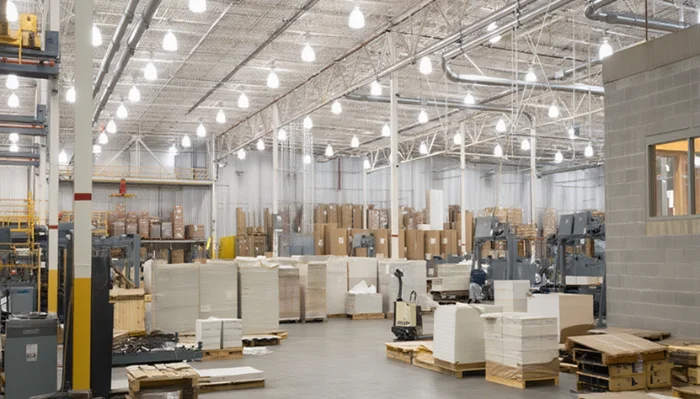
Our LED Lighting Control Installation Process

Site Audit & Lighting Assessment

Our representatives conduct a site visit and critically assess occupancy patterns, measure lux levels, and analyze existing fixture conditions. They make efficient use of advanced light meters and thermal imaging to identify current inefficiencies. Based on the evaluation, a site audit is produced projecting 50-80% of customized energy savings. We thoroughly produce a customized savings report that projects 50-80% energy reductions, featuring rebate program eligibility verification.

System Design & Controller Selection

Based on audit insights, our engineers collaboratively design a well-structured system architecture. Assessing ceiling heights, layouts, and operational demand, our team decides upon the type of optimal controllers your facility can benefit from. Every design is backed by the manufacturer’s performance guarantees. These include 3D layout simulations of the final light distribution.

Professional Installation

Our licensed electricians manage the full scope of wiring and retrofitting. We utilize coordinated scheduling (including off-peak options) to ensure zero interference with your daily operations. Our team follows strict dust-free protocols that exceed Ontario ESA regulations, utilizing only UL-approved components. Every system undergoes a rigorous multi-point electrical inspection before final commissioning.

Programming & Calibration

Following installation, we optimize your controllers with custom lighting schedules, occupancy thresholds, and failover logic. We perform precision on-site sensor tuning to ensure accurate motion detection across all zones. To empower your facilities team, we provide comprehensive training.

Maintenance & Support

Under our warranty program, support services—including sensor recalibration. We also provide ongoing administrative support for rebate filings and firmware updates. When integrated with your BMS platform, our automation ensures sustained efficiency with virtually zero hands-on involvement.

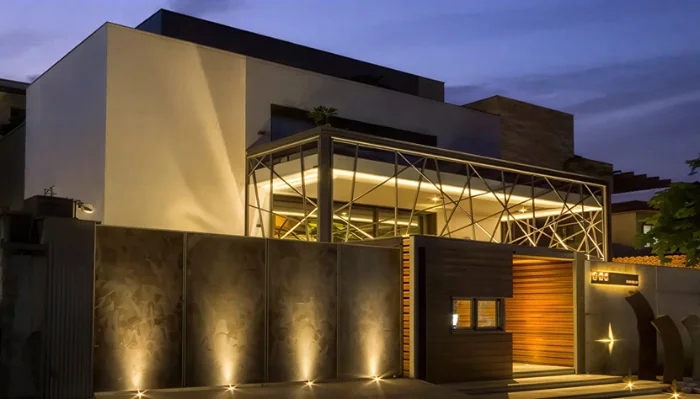
Site Assessment

We walk through your facility to identify critical points and structural constraints.
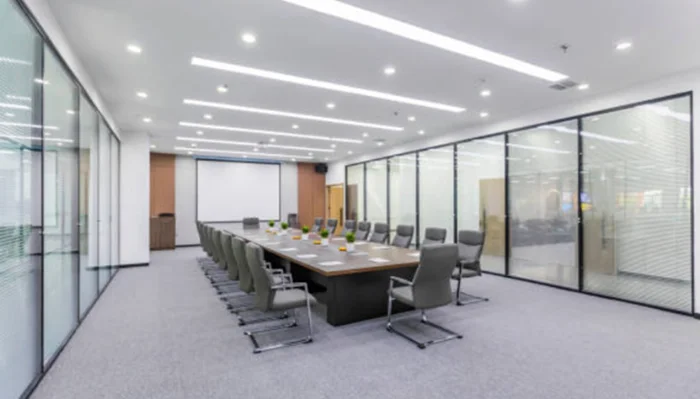
Audit & Analysis

Our team calculates your current energy burn rate to map out a precise projection of future savings.
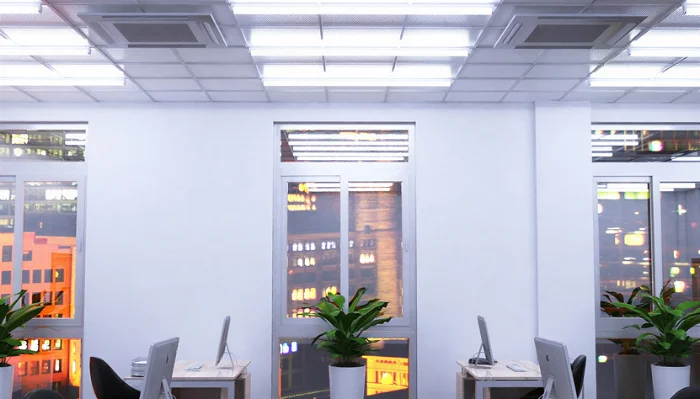
Design Proposal

A customized plan featuring placement maps, fixture selection, and an ROI timeline.
Procurement

Coordination with our supplier network to secure wholesale rates.

Precision Installation

Electricians can work off-hours or in phases to minimize your downtime.
Inspection & Testing

A rigorous checklist to ensure sensors are calibrated and fixtures are secure.
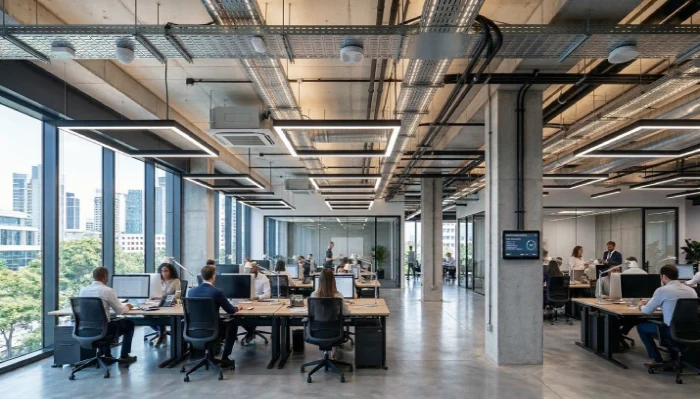
Ongoing Support

We remain your partner long after the initial installation is complete.

Cost of LED Lighting Control Installation

Installation costs for LED lighting vary depending on project scope. Our system is designed to deliver quick ROI through energy savings and rebates. At a per-square-foot investment of $1.50–$4.00, the budget for a typical commercial or industrial projects range $25,000–$150,000 before incentives. Detailed pricing insights are shared during the free evaluation.

Key Cost Factors

Facility Size

Larger spaces need more controllers and sensors for optimal lighting outcomes. The cost for a 50,000 sq ft warehouse can be evaluated between $40,000–$60,000. For 200,000 sq. ft. facilities, costs fall between $120,000 and $180,000. Our pricing structure supports expansion with volume discounts for multi-facility projects.

Number of Sensors & Controllers

Each occupancy sensor is priced between the range of $100–$250. Opting for daylight harvesters can add $150–$300. A mid-sized plant requires 50-150 units, which costs around $8,000–$25,000 in total. Investing in wireless models reduces labour costs by 30%.

Wiring vs. Wireless Systems

Hardwired installations fit the requirement in high-vibration areas. That costs around $2.50–$3.50/sq ft. On the contrary, wireless IoT systems cost between $1.80–$2.80/sq ft, reducing conduit labour by 40-60%. In retrofit environments, wireless controls reduce installation time and support seamless scaling.

Retrofit vs. New Installation

Retrofits (80% of our projects) cost 20–30% less than new builds due to existing infrastructure. Retrofitting a fluorescent warehouse: $2.00/sq ft. New construction with integrated conduits: $3.50/sq ft.

ROI Calculation Example

100,000 sq ft manufacturing facility

  • Installation Cost: $220,000 (wired sensors + dimming controls)
  • Annual Energy Savings: 75% reduction = $95,000 (at $0.17/kWh)
  • Rebates: $50,000 (depending upon specifics)
  • Net First-Year Cost: $170,000
  • Payback Period: 18–24 months
  • 5-Year Savings: $300,000+ (plus maintenance cuts)

We handle rebate filings. Clients recover 20–50% upfront. Maintenance drops 60%, extending fixture life to 10+ years.

It’s a capital upgrade that supports ongoing cost recovery.

Request Your 24-Hour Custom Pricing Today!

Frequently Asked Questions

How much energy can intelligent lighting controls save?

Intelligent lighting controls typically deliver 30–70% energy savings compared to uncontrolled systems, depending on building type, hours of operation, and how aggressively the controls are configured. Occupancy sensing, daylight harvesting, and scheduling contribute the largest reductions. Facilities operating long hours (warehouses, plants, distribution centers) usually see the highest savings and fastest payback periods.

Can LED motion sensor lights be retrofitted into existing systems?

Yes. In most cases, LED motion sensor controls can be retrofitted into existing lighting infrastructure without a full rewire. Sensors can be fixture-mounted, ceiling-mounted, or integrated into circuit-level controllers. The key considerations are circuit loading, mounting heights, and line-voltage vs low-voltage control. A site audit confirms compatibility and identifies which zones will benefit most.

Do motion sensor lights work outdoors?

Yes, provided they are rated for outdoor use and installed correctly. Outdoor motion sensors are built to withstand temperature extremes, moisture, and debris, and typically use PIR (passive infrared) or microwave technology to detect movement. They are commonly used for parking lots, walkways, loading docks, and perimeter lighting to enhance safety while cutting unnecessary run time.

How long do LED control systems last?

LED control systems are generally designed for service lives of 10–15 years, aligning with or exceeding the lifespan of quality LED fixtures. Individual components like drivers, sensors, and communication gateways may have specified lifetimes (often 50,000–100,000 operating hours). Robust design, proper load sizing, and surge protection are key to achieving full life expectancy.

What maintenance is required?

Routine maintenance is relatively light compared to legacy systems. Typical tasks include periodic sensor cleaning, verifying detection ranges, updating firmware, and reviewing system logs for faults. Annual or bi-annual inspections help recalibrate settings as layouts or usage patterns change. Most issues can be resolved through software adjustments rather than hardware replacement.

Which LED lighting products are most popular for wholesale in Canada right now?

The most popular wholesale LED products in Canada currently include high-bay fixtures for warehouses, linear strip lighting for offices and retail, and versatile LED strip lights for both commercial and residential use. Energy-efficient industrial solutions, architectural lighting, and smart, IoT-ready fixtures are also in high demand. Buyers heavily favour durable, code-compliant products from established domestic manufacturers and distributors.